
Find keyword or terms by letter
Click on a numbered or lettered box below to show list of keywords and terms.
Java
(Context: Software)
Definition
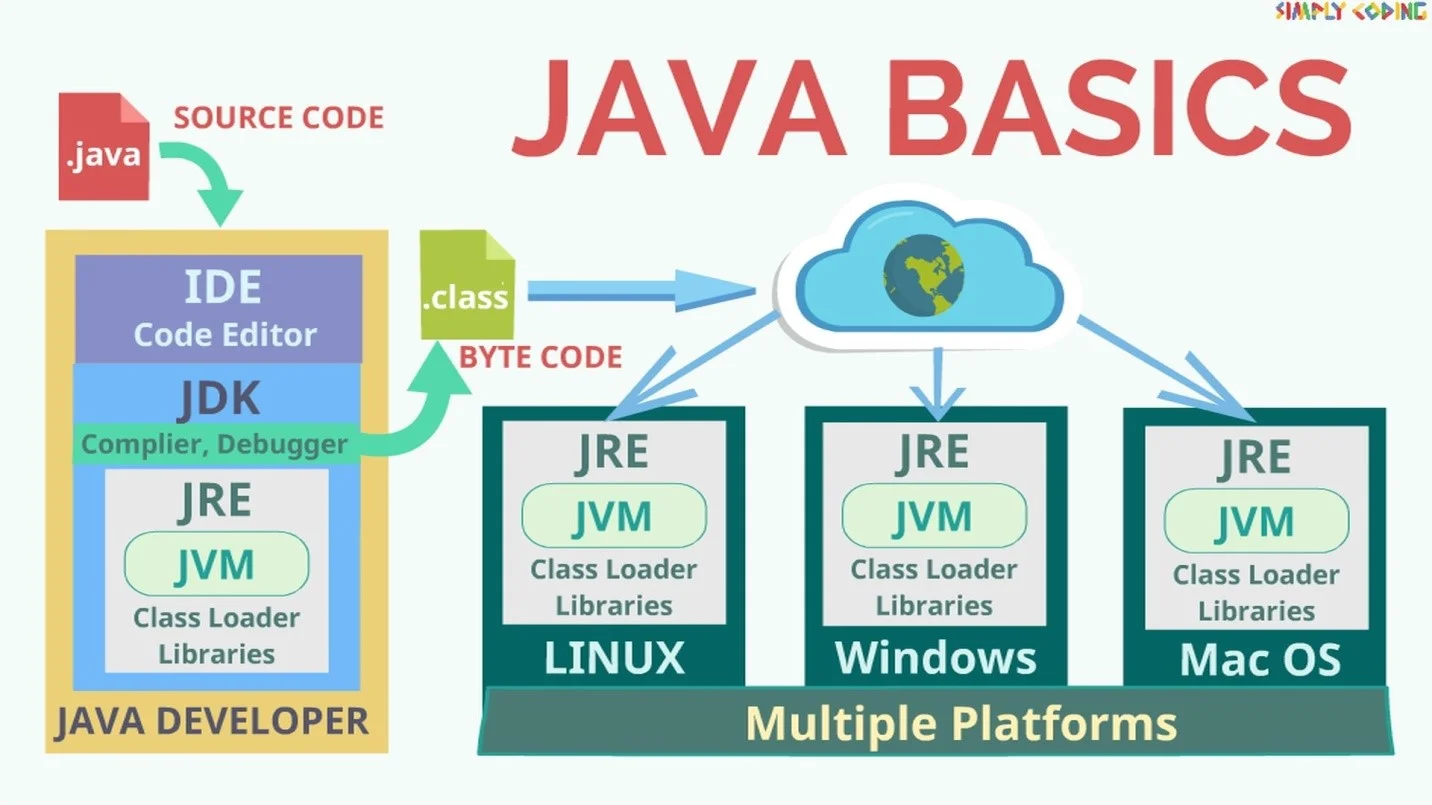
Portable language from Sun designed to run on any machine with a Java Virtual Machine interpreter.
Java 2 Enterprise Edition (J2EE)
(Context: Software)
Definition
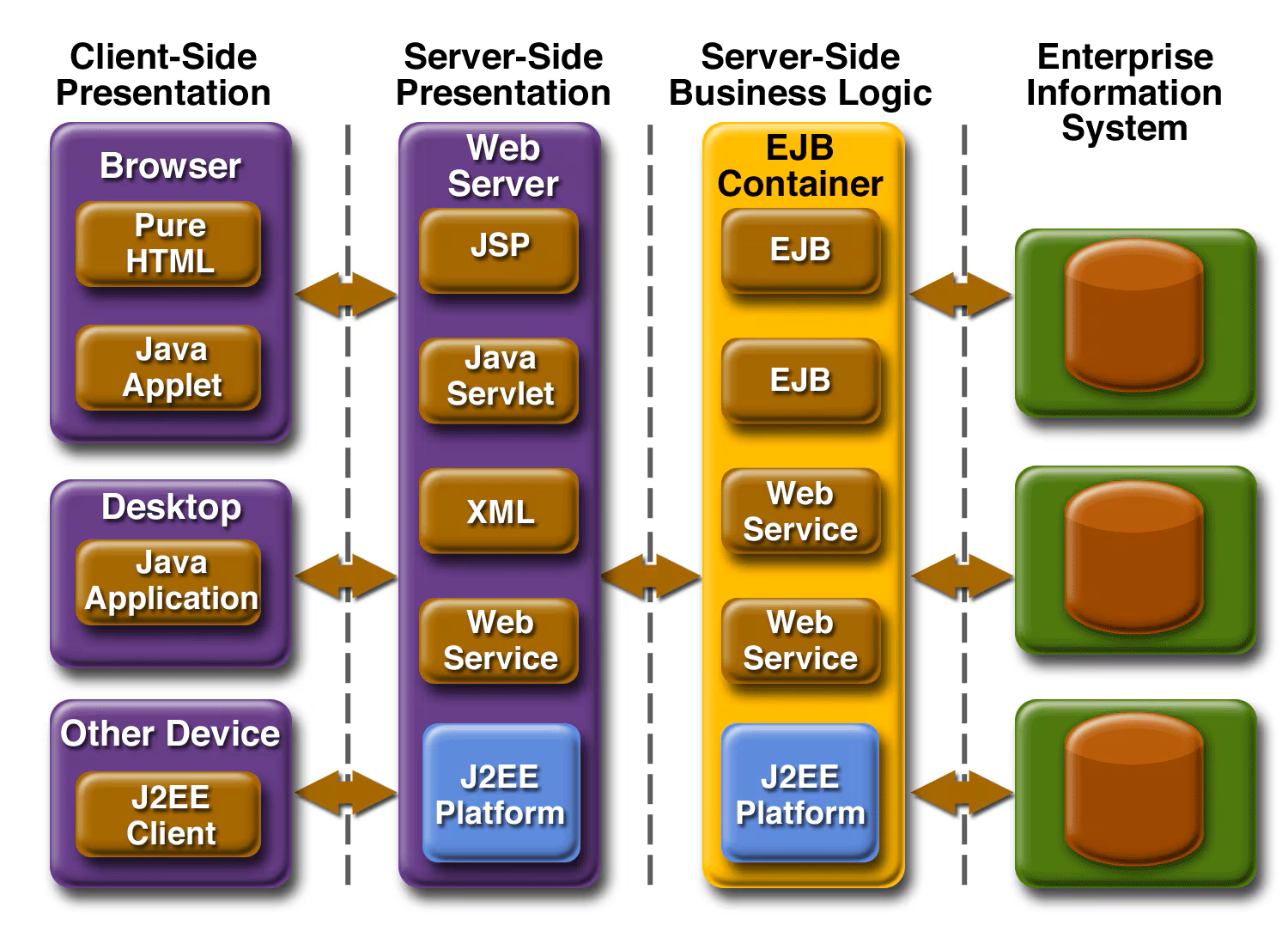
The distributed version of Sun’s Java platform. with Enterprise JavaBeansTM (EJBTM), JavaServer PagesTM (JSPTM) and Java Servlet API component technologies.

Java Database Connectivity (JDBC)
(Context: Software)
Definition
The Java Database Connectivity (JDBC) API provides universal data access from the Java programming language. Using the JDBC API, you can access virtually any data source, from relational databases to spreadsheets and flat files. JDBC technology also provides a common base on which tools and alternate interfaces can be built.

Java Directory Access Protocol (JDAP)
(Context: Software)
Definition
Also known as: JLDAP, J-LDAP, or jLDAP: An implementation of the Lightweight Directory Access Protocol. JDAP Overview
Feature
LDAP
JNDI
jLDAPWhat is it?
LDAP A network protocol
JNDI A Java API abstraction
jLDAP A specific Java LDAP libraryLanguage
LDAP Language-agnostic
JNDI Java only
jLDAP Java onlyScope
LDAP Talks to any directory server
JNDI Connects to LDAP, DNS, RMI, etc.
jLDAP Talks directly to LDAP serversControl Level
LDAP Protocol specification
JNDI High-level, generic
jLDAP Low-level, direct LDAP controlJava document object model (JDOM)
(Context: Software)
Definition
A way to represent an XML document for easy and efficient reading, manipulation, and writing.
While JDOM defines an API for Java, the name JDOM does not reflect the name Java, which is trademarked by Sun Microsystems.
JDOM is not an acronym and therefore also is not tied to the name DOM, which is the Document Object Model defined by the World Wide Web Consortium (W3C).
So what is JDOM?
JDOM was designed by Jason Hunter and Brett McLaughlin, with the help of James Duncan Davidson, as an open source API for XML document manipulation. Developers can use JDOM in their own products without having to release their products as open-source software. This licensing concept is similar to that of the Apache Web server. The only restriction is that developers adhere to all other standards terms of the license agreement. One advantage of its being open source, subscribers to the JDOM-interest mailing list contribute to JDOM's success by submitting bug fixes and upgrades to the API.
According to the JDOM Web site, JDOM was designed to behave like Java, using the Java Collections API. The goal was to make JDOM a natural API for Java developers, and provide a low-cost alternative for using XML.